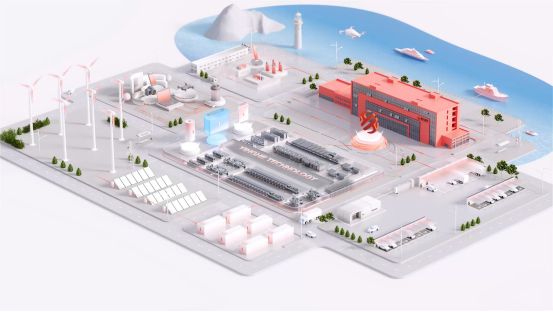
The evolution of battery technology has ushered in a new era of production methodologies, prominently featuring the solid battery production line. This innovative approach stands in contrast to conventional lithium-ion systems, prompting a closer examination of their equipment and application differences.
Key Equipment Differences
When analyzing the lithium battery production line, equipment choices play a crucial role in determining efficiency and yield. Traditional lithium-ion systems typically rely on liquid electrolyte solutions, necessitating processes that can introduce complexities and potential hazards. On the other hand, the solid battery production line utilizes solid electrolytes, which not only simplifies the manufacturing process but also enhances the safety and stability of the end product. As manufacturers optimize their production lines, the equipment tailored for solid-state batteries, such as those developed by Yinghe, highlights a shift towards greater efficiency and reliability in battery production.
Production Efficiency and Customization
The journey towards optimal production efficiency often hinges on the flexibility of the production line. A solid battery production line offers a range of customization options, tailored to meet specific industry demands. Yinghe excels in providing smart factory upgrades that boost process integration. This flexibility allows clients to modify their production lines to suit various requirements without compromising on output quality. In contrast, traditional lithium-ion production tends to adhere to established norms, potentially limiting innovation and advancement in manufacturing processes.
Sustainability and Future Innovations
Sustainability has become an essential consideration in battery production, with both the lithium battery production line and solid battery systems vying for an environmentally friendly edge. The solid-state approach, often credited with a lower environmental impact, aligns with global efforts to enhance sustainability in technology. With ongoing innovations from manufacturers like Yinghe, the drive towards improved manufacturing yields and waste reduction could significantly influence both market trends and ecological footprints in the coming years.
Conclusion
In summary, the transition from traditional lithium-ion systems to solid battery production lines reflects a broader industry trend focused on safety, efficiency, and sustainability. Companies seeking to optimize production should consider the distinct advantages offered by advanced equipment and customized processes. As the market continues to evolve, insights into these differences will be crucial for manufacturers aiming to remain competitive while meeting the increased demand for batteries across various applications.
