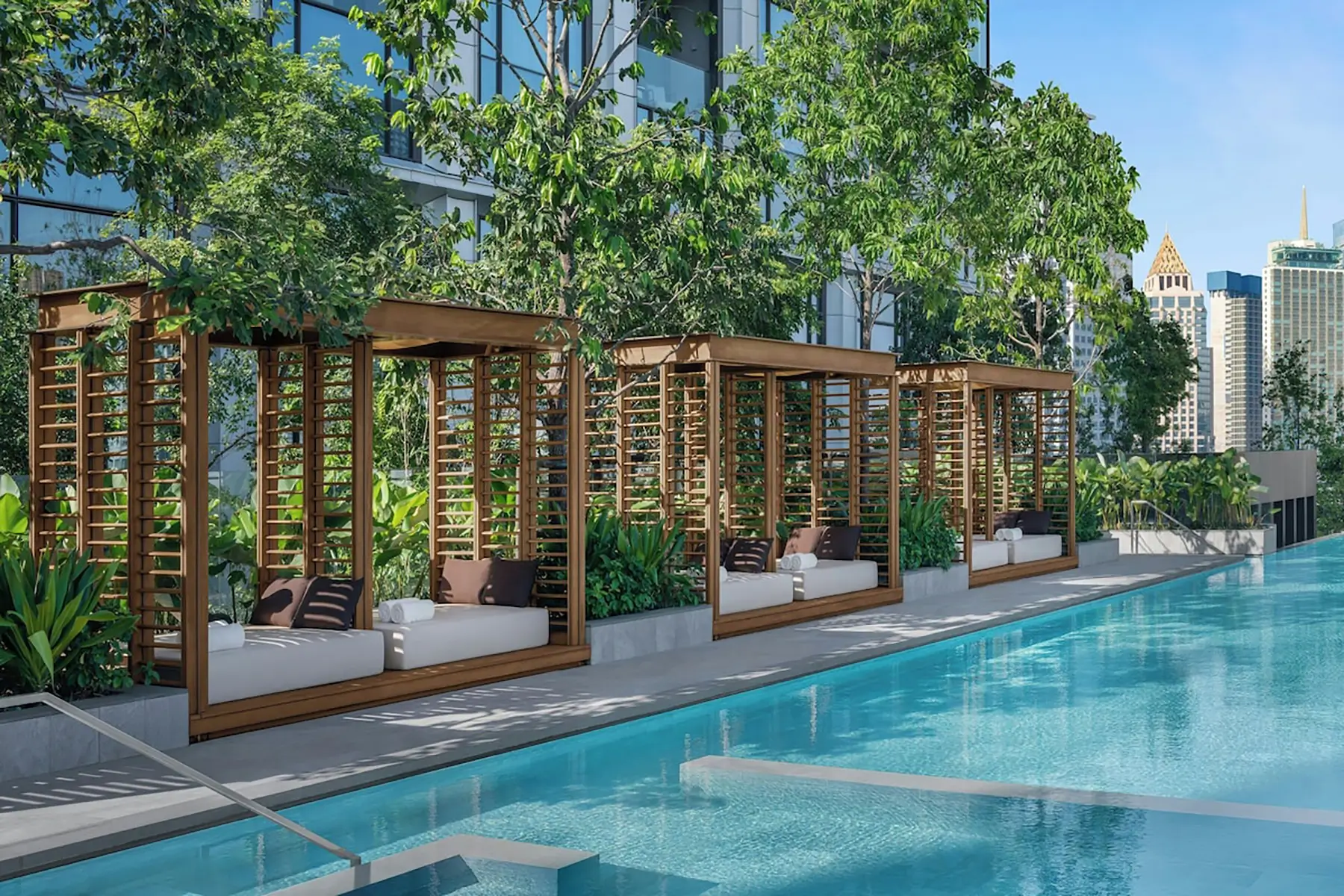
Beachfront hotels and coastal resorts require outdoor furniture solutions that match unique environmental conditions. Compared with indoor spaces, outdoor areas face stronger sunlight, higher humidity, salt exposure, and frequent guest use. These factors influence material selection, maintenance planning, and overall space design.
For hotel owners, interior designers, and project contractors, choosing outdoor furniture involves more than appearance. Comfort, durability, layout flexibility, and project coordination all affect the final result. A suitable plan helps create relaxing outdoor areas that support daily hospitality operations.
Key Factors When Choosing Coastal Outdoor Furniture
Coastal environments create specific challenges for outdoor furniture. Sea air contains moisture and salt, which may affect furniture surfaces and structural parts over time. Direct sunlight can also influence colors and materials, especially in open areas without shade protection.
When planning hotel outdoor furniture, project teams usually consider weather conditions, guest activities, and maintenance requirements. Furniture used in beachfront hotels needs to support regular use while matching the design style of pools, terraces, gardens, and dining areas.
Space planning is another important part of furniture selection. Poolside areas may require comfortable lounge settings, while outdoor restaurants need practical seating arrangements for different guest numbers. Flexible layouts allow hotels to adjust spaces according to seasonal needs or special events.
Guest comfort also plays an important role. Proper seating height, cushion support, table placement, and shade solutions influence how visitors experience outdoor areas. A thoughtful arrangement can make these spaces more functional throughout the day.
Material Requirements for Poolside and Seaside Areas
Pool areas have special furniture requirements because of constant contact with water and cleaning routines. Furniture placed near swimming pools needs to resist chlorine, UV exposure, and moisture while drying quickly between uses. Surface temperature, slip resistance, and ease of movement are also practical factors when hotels plan furniture for high-use pool environments.
Common poolside furniture combinations include adjustable sun loungers with quick-dry cushions, side tables, shade umbrellas, and modular seating clusters. These pieces allow hotels to create different relaxation zones while keeping the layout adaptable. Flexible arrangements can also make it easier for staff to adjust seating according to guest flow, events, or seasonal operating needs.
For properties that focus on refined outdoor experiences, luxury hotel outdoor furniture should combine visual appeal with practical performance. Designers need to consider whether the materials and finishes can match the operating environment while maintaining the intended atmosphere.
Outdoor dining spaces also require careful planning. Tables and chairs should support frequent movement, cleaning, and service activities. Materials that fit the local climate can help reduce unnecessary maintenance work and support smoother daily operations.
Planning Furniture Solutions for Hospitality Projects
Large hotel projects involve coordination between designers, contractors, procurement teams, and furniture suppliers. Before production begins, project teams often review dimensions, installation conditions, and surrounding systems to avoid problems during later stages.
BFP Furniture provides hotel furniture and commercial restaurant furniture solutions for hospitality projects. They understand the requirements of commercial furniture applications and support project preparation through services such as installation measurement assistance and communication with hotel engineering teams to reduce possible conflicts between fixed furniture and MEP systems.
Project communication is also important for international cooperation. They provide milestone photo reports and bilingual communication in Chinese and English, allowing purchasing teams to follow project progress more clearly during production and delivery.
Delivery schedules are another consideration for hotel developments. BFP Furniture generally recommends planning at least 4 to 6 months in advance, giving project teams more time to coordinate production, delivery, installation, and construction schedules.
Design Considerations for Resort Outdoor Spaces
Outdoor areas often become important parts of the guest experience in coastal resorts. A pool terrace, seaside lounge, or outdoor dining area can create different atmospheres through furniture selection and layout planning.
Designers usually consider the resort theme, local climate, and guest activities when developing outdoor spaces. Family resorts may need flexible seating combinations, while private vacation properties may focus more on quiet relaxation areas.
When selecting hotel outdoor furniture, buyers should also consider future operation needs. Furniture that matches the environment and usage patterns can support easier management and reduce frequent adjustments after installation.
Customization can also help projects achieve consistent design results. Different materials, finishes, and styles may be needed to match architectural concepts. Professional furniture suppliers can work with design teams to translate ideas into practical solutions.
Building Long-Term Value Through Practical Choices
Successful outdoor spaces are usually built through careful planning rather than simple product selection. Material suitability, layout design, and project coordination all influence the final result for beachfront hotels and coastal resorts.
BFP Furniture works with hotel owners, designers, and contractors to develop furniture solutions based on project requirements. Their support covers design communication, production coordination, and service follow-up for different hospitality environments.
Choosing luxury hotel outdoor furniture requires consideration of climate conditions, guest experience, and long-term management. With a practical approach, coastal properties can create outdoor areas that remain comfortable, functional, and suitable for daily hotel operations.
