Mechanical belt splices are designed to provide a practical way of joining conveyor belts while allowing maintenance teams to access and repair the belt when required. Within a hinged fastening system, the hinge pin is a relatively small component, but it plays an important role in connecting the fastening loops and allowing the splice to articulate as the belt travels around pulleys. For maintenance departments, knowing when a conveyor belt hinge pin needs to be replaced can help prevent minor component wear from developing into a larger belt-joint problem.
Unlike a fixed splice that cannot be easily opened, a hinged mechanical splice can generally be separated by removing the hinge pin when the fastening system is designed for this procedure. This can make the joint useful for applications where belts need periodic inspection, cleaning, replacement, or adjustment. However, the pin is exposed to repeated movement and contact with the fastening loops during normal conveyor operation. Its condition should therefore be included in routine belt inspections.
There is no universal replacement interval that applies to every conveyor. Actual service life depends on the belt, fastener design, conveyor configuration, operating environment, and installation quality. A condition-based inspection approach gives maintenance teams a more reliable basis for deciding when a pin should be changed.
Signs That a Conveyor Belt Hinge Pin Needs Replacement
One of the clearest indicators is excessive wear in the area where the fastener loops contact the pin. Flexco recommends replacing a hinge pin when grooves created by the fastener loops exceed 25% of the pin diameter. The recommendation is particularly useful because it provides maintenance personnel with a measurable reference rather than relying only on visual judgment. The fastener loops should also be inspected because excessive pin wear can be accompanied by wear to the loops themselves.
Physical damage is another straightforward reason for replacement. A pin that is bent, broken, heavily worn, or partially missing should be removed from service. A damaged pin may no longer maintain the intended relationship between the fastening loops, potentially affecting the condition of the mechanical splice.
Pin migration can provide another warning sign. If the pin gradually moves from its intended position, maintenance personnel should investigate the cause instead of simply pushing it back into place. Uneven belt alignment, installation problems, or splice conditions may contribute to migration. Flexco’s technical guidance notes that an improperly squared belt can result in uneven tension and contribute to hinge-pin migration.
Inspect the Fastener and Belt Alongside the Pin
A hinge pin should rarely be evaluated as an isolated component. When a worn pin is discovered, maintenance teams can inspect the corresponding fastener loops, belt ends, and splice alignment at the same time. This approach helps determine whether the pin is the only component requiring attention or whether the joint has a broader wear issue.
The belt itself should also be considered. Belt thickness and construction influence the selection of a compatible mechanical fastening system, while the smallest pulley diameter affects how the completed splice moves through the conveyor. Industry guidance commonly considers belt tension, belt thickness, pulley diameter, and operating conditions when selecting mechanical fasteners.
Environmental conditions can also affect component selection. Conveyors used around water, frequent washing, or humid production areas may have different material requirements from dry material-handling applications. This is one reason procurement teams need to evaluate the actual operating environment before standardizing replacement parts.
For facilities managing several belt types, maintenance records can make this process more efficient. Recording the belt thickness, fastener type, pin configuration, pulley characteristics, and operating conditions provides useful information for future replacement orders.
When Stainless Steel Hinge Pins May Be Considered
Material is another factor when selecting a replacement component. In environments where moisture or cleaning processes are part of routine operations, procurement teams may evaluate stainless steel hinge pins as part of the fastening specification. The material should still be assessed alongside the fastener design and application requirements rather than being selected solely because it is stainless steel.
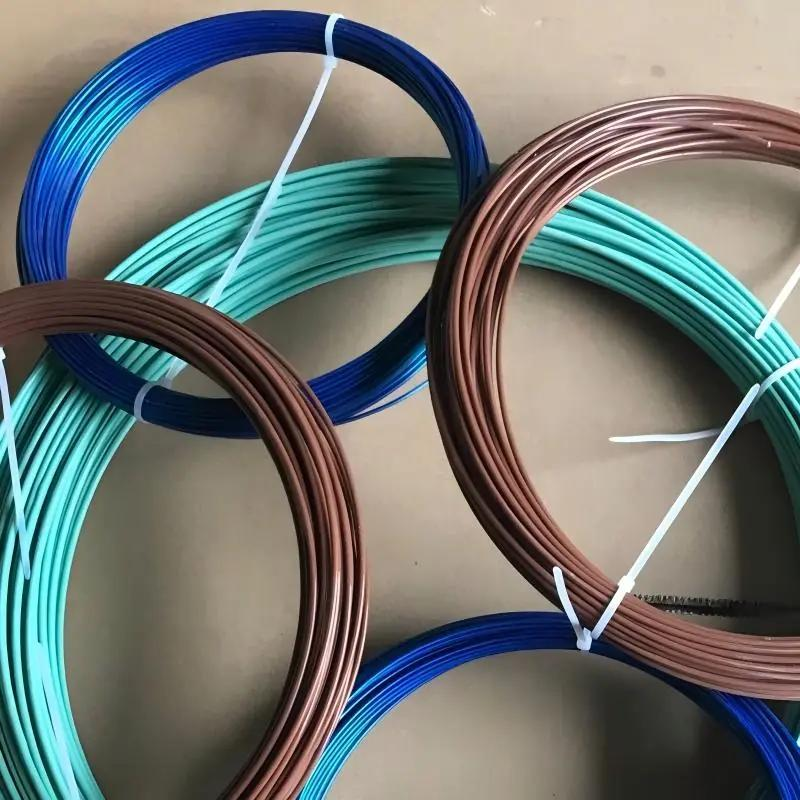
Intake’s official Hinge Pin information lists 304S as the material, with a product weight of 0.72 kg and packaging of 12 pieces per box. The product information also provides several configurations with different wire diameters and material combinations. These include oxygen-plastic core carbon steel, silicone, nylon, and stainless steel with Teflon.
For B2B buyers, these specifications are important when establishing spare-parts inventories. Two hinge pins may look similar but have different dimensions or material configurations. Matching the replacement component to the original fastening system helps reduce the risk of purchasing incompatible parts.
The use of stainless steel hinge pins should therefore be based on documented application requirements. Maintenance teams can consider exposure to moisture, cleaning procedures, belt construction, fastener compatibility, and expected operating conditions before defining a standard replacement specification.
Establishing a Condition-Based Replacement Process
Routine inspections can help maintenance teams identify groove wear, bending, migration, or missing sections before a splice develops a larger problem. The hinge pin and surrounding fastener components can be checked together so replacement decisions are based on the condition of the complete joint.
Intake provides hinge pins and mechanical belt-fastening equipment for industrial applications, with published specifications covering material, weight, and packaging.
