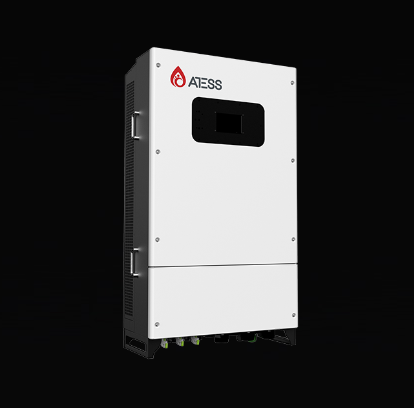
Incorporating storage components into renewable setups requires careful planning to ensure long-term functionality and performance. Atess develops hardware that facilitates this integration, providing a stable platform for managing energy flows from diverse sources. By focusing on technical compatibility and consistent output, they help ensure that power remains available whenever it is required.
Operational Mechanics of the Hybrid Inverter
A hybrid inverter serves as the primary controller within a photovoltaic installation, managing the conversion and distribution of electricity. They handle the complex task of balancing DC power from panels with AC requirements for the facility, while simultaneously monitoring battery status. This duality allows the system to prioritize stored energy during periods when sunlight is unavailable, maintaining a steady supply for the connected loads.
When configured correctly, the hybrid inverter optimizes the synchronization between energy production and local usage. They continuously assess the state of charge in connected battery units, adjusting discharge rates to match real-time demand. This active management prevents energy loss and supports the overall health of the storage bank, ensuring that the installation operates within its intended technical parameters.
Implementing a Solar Inverter with Battery Configuration
Optimizing a Solar Inverter with Battery setup involves configuring system parameters to align with specific load requirements. They rely on advanced software to regulate when to draw from the grid and when to rely on stored reserves. This intelligent automation minimizes manual oversight, allowing the hardware to make rapid adjustments based on fluctuating consumption levels.
Effective use of a solar inverter with battery technology also hinges on monitoring system performance through compatible interfaces. They report vital data regarding voltage, current, and charge cycles, which assists in diagnosing potential inefficiencies before they impact power availability. By maintaining a clear view of the solar inverter with battery data, operators can refine their energy consumption patterns to match the specific capabilities of their installed hardware.
Achieving high performance in renewable systems relies on the precise coordination of storage and conversion components. By utilizing the capabilities of the hybrid inverter, facilities can manage their energy resources with improved consistency and technical reliability.
