International buyers now pay closer attention to production standards, inspection methods, and after-sales coordination when sourcing CNC equipment. Many Chinese suppliers have adjusted their manufacturing processes to meet these expectations through documented quality control and certification procedures. In recent years, Leichman has focused on supplying machining solutions for metal processing companies, equipment distributors, and industrial trading firms that require stable production support. Buyers searching for 5 axis CNC machining center manufacturers often compare factory management systems, machine assembly procedures, and technical response speed before making procurement decisions.
Certification Procedures and Factory Management
Factories that export five-axis equipment usually need to follow structured inspection processes during machining, assembly, and final testing. These procedures help support certification applications such as ISO and CE compliance. Many companies also improve traceability by recording spindle testing, positioning accuracy checks, and hydraulic system inspections before shipment. For overseas buyers, this documentation reduces communication problems during installation and maintenance. Some 5 axis cnc machining center factory operations also establish dedicated technical teams that provide remote troubleshooting and maintenance guidance for distributors and industrial users working across different time zones.
Equipment Design and Application Support
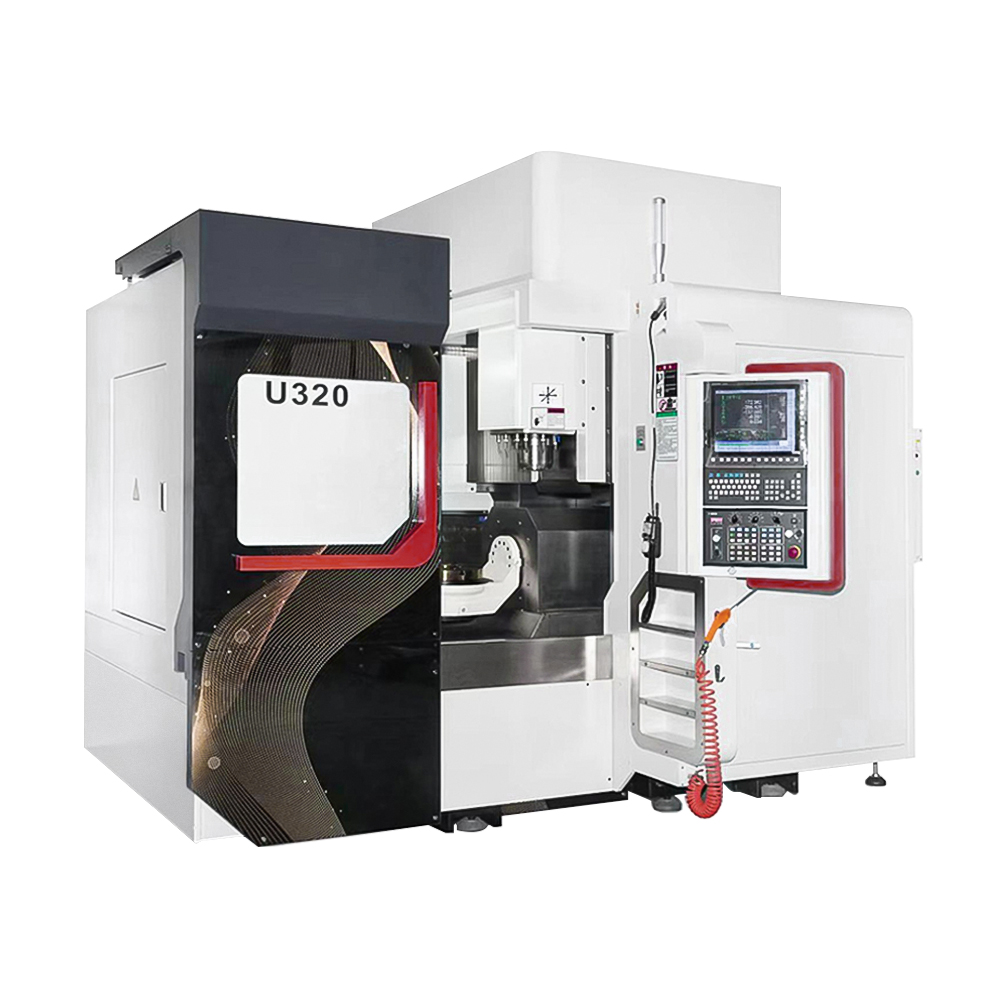
Machine structure and component selection also affect certification performance. The LK-U320 five-axis machining center supplied by Leichman is designed for multi-surface machining tasks used in mold production, metal parts processing, and precision component manufacturing. The equipment adopts a compact structure suitable for workshops that need flexible production layouts. In practical procurement projects, buyers evaluating 5 axis CNC machining center manufacturers usually examine axis stability, controller compatibility, and long-term operating consistency instead of focusing only on machine size. Some suppliers also support customized configurations to match local voltage standards, tooling systems, and automation requirements requested by industrial distributors.
Conclusion: Stable Processes Support International Cooperation
International certification is closely connected to production management, technical communication, and after-sales coordination. A qualified 5 axis cnc machining center factory normally needs to maintain stable assembly standards while responding quickly to installation and service requirements from overseas customers. For many industrial procurement teams, suppliers such as Leichman are considered based on their ability to provide technical consultation, organized order follow-up, and flexible manufacturing support for different metal processing applications. These factors help overseas distributors and factories reduce purchasing risks during long-term equipment cooperation.
