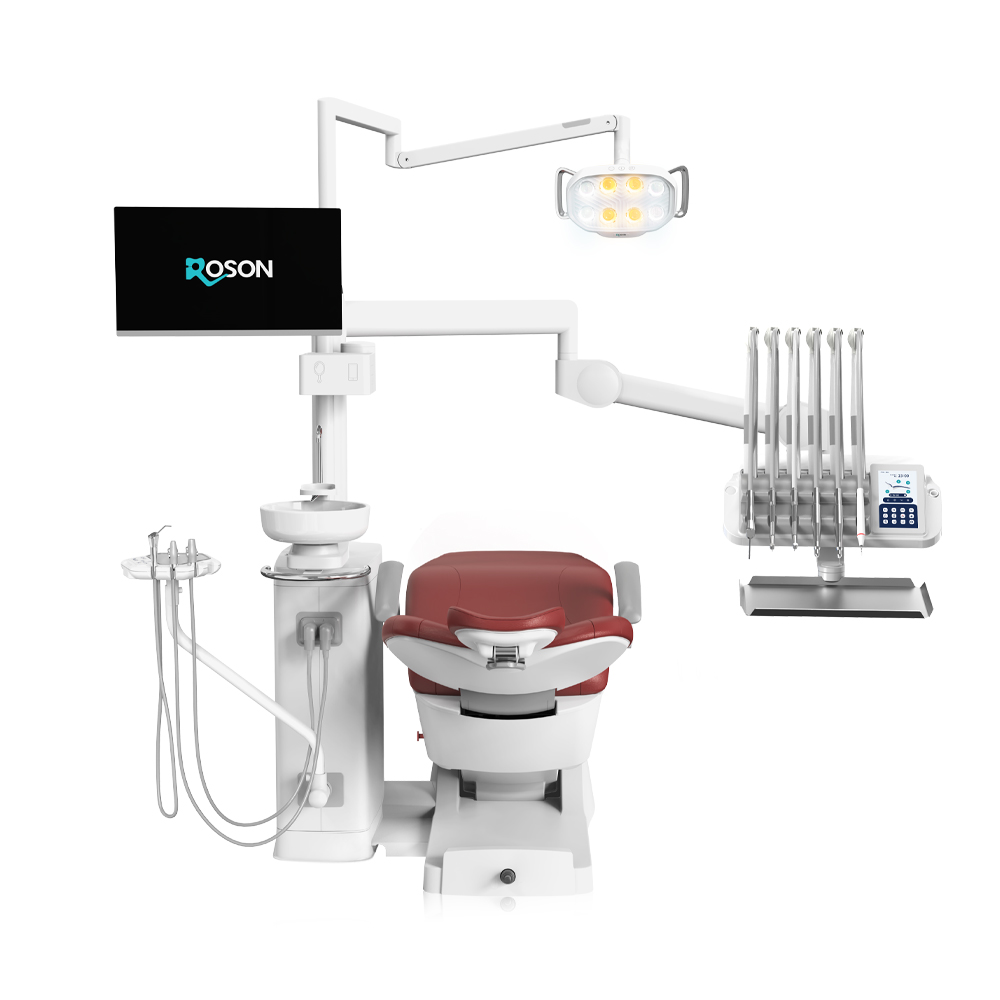
Investing in new operatory equipment is one of the most critical financial decisions a dental practice manager or clinical director will make. Beyond evaluating structural features and patient comfort, understanding the factors that dictate an electric dental chair price allows healthcare institutions to allocate capital wisely, avoid unexpected ownership costs, and maximize long-term return on investment (ROI).
Selecting a motorized workstation involves balancing initial acquisition costs against build quality, technological integration, and ongoing maintenance demands. Evaluating key cost drivers helps practice owners choose equipment that fits their budget while maintaining high standards of clinical care.
Understanding Key Cost Drivers in Motorized Dental Chairs
The wide range in electric dental chair price points across the global market stems primarily from variations in underlying structural engineering, motor dynamics, and material quality. Entry-level units often use lighter composite metals and basic hydraulic or brushed DC motors, whereas premium models incorporate heavy-duty cast aluminum chassis, high-torque brushless electric actuators, and seamless medical-grade upholstery.
Advanced electronic integration also influences overall pricing. Workstations equipped with programmable memory presets, multi-touch digital control panels, and integrated diagnostic microprocessors require higher manufacturing precision, which raises the upfront equipment cost but delivers significantly smoother operational workflows.
Safety features and ergonomic enhancements represent another factor in price differentiation. Workstations from established manufacturers like Roson incorporate synchronized backrest motion to prevent spine compression, intelligent anti-collision sensors, and multi-articulating headrests—engineering choices that add long-term value and protect both patients and operating staff.
Balancing Upfront Acquisition Costs and Total Cost of Ownership
Focusing solely on the lowest initial purchase price can lead to hidden financial pitfalls over time. Lower-cost equipment often suffers from higher component failure rates, scarce replacement parts, and frequent service calls, quickly eroding initial cost savings through operatory downtime and lost appointment revenue.
Evaluating the total cost of ownership (TCO) provides a clearer financial picture. A slightly higher upfront electric dental chair price often includes superior motor efficiency, durable chemical-resistant upholstery, and longer warranty coverage, which together lower recurring maintenance overhead and extend the platform’s operational lifespan.
Energy efficiency and utility consumption also impact ongoing operating expenses. Modern brushless electric motors and intelligent LED operating lights draw less power and generate less heat, reducing monthly utility bills across multi-chair clinic installations over years of continuous daily use.
Features That Justify a Premium Price Point
When analyzing equipment options, practice managers should identify specific features that directly improve practice efficiency, infection control, and clinician well-being, justifying a higher initial investment.
- Precision Drive Actuators: High-grade electric motors provide whisper-quiet, micro-fractional elevation adjustments without jarring starts or mechanical vibration, keeping anxious patients relaxed throughout lengthy procedures.
- Integrated Sanitation Pathways: Automated waterline flushing loops and autoclavable instrument handles streamline room turnover between appointments while preventing internal biofilm buildup.
- Intuitive Digital Control Layouts: Touchscreen interfaces and multi-function foot controls allow operating doctors to adjust chair elevation and instrument settings hands-free, preserving sterile fields.
- Ergonomic Chassis Design: Low-profile backrests and compact base geometry allow clinicians to sit close to the patient without leg obstruction, lowering the risk of work-related back and neck strain.
The Security Master Model S9 manufactured by Roson demonstrates how advanced feature integration aligns with strong long-term value. Designed as a high-performance electric dental chair, the Security Master Model S9 pairs quiet electric drive motors and zero-gravity recline mechanics with intelligent anti-pinch safety sensors, delivering an ideal balance of operational performance, patient safety, and structural durability.
Navigating Vendor Services, Warranties, and Post-Sale Support
A comprehensive procurement review must look beyond hardware specifications to evaluate vendor credentials, warranty terms, and technical support availability. Reliable post-sale support is essential for protecting capital investments and keeping operatory schedules running smoothly.
Partnering with established equipment producers like Roson ensures consistent access to genuine replacement parts, clear warranty coverage, and factory-trained technical guidance. Transparent warranty terms safeguard facilities against unexpected component failures, while accessible local distribution networks minimize waiting times for maintenance parts.
Procurement teams should also inquire about installation guidance and staff orientation services. Proper initial setup and routine staff training on daily sanitation and preventive maintenance protocols extend component life, ensuring the equipment delivers reliable performance throughout its intended service cycle.
Financial Planning and ROI Strategy for Expanding Practices
Selecting the right equipment tier depends on matching hardware capabilities with your clinic’s specific patient volume, specialty focus, and expansion goals. High-volume general practices and surgical centers benefit most from investing in durable mid-to-high-tier motorized platforms that withstand continuous daily use without mechanical degradation.
Structuring equipment acquisitions through flexible financing or leasing arrangements can also help preserve liquid capital. Spreading the purchase cost across manageable monthly payments allows practices to upgrade to higher-grade equipment immediately while aligning expenses with incoming patient revenue.
Ultimately, evaluating an electric dental chair price requires viewing the purchase as a long-term strategic investment rather than a simple supply expense. Sourcing robustly engineered platforms built by proven manufacturers like Roson ensures that your facility achieves predictable operating costs, superior infection control, and an exceptional treatment experience for both clinicians and patients over many productive years.
