Digital manufacturing has become an important part of modern dental workflows, helping clinics and laboratories improve efficiency, customization, and production flexibility. As dental 3D printing technology continues to develop, new equipment designs are emerging to meet different clinical and laboratory needs.
A capsule 3D dental printer is a compact dental printing solution designed to simplify resin printing workflows by integrating essential printing functions into a more convenient form. Compared with traditional larger systems, a capsule-style design aims to provide easier operation, efficient space utilization, and a more streamlined user experience.
For dental professionals evaluating a dental resin 3D printer, understanding how capsule printing technology works and what advantages it offers can help determine whether it fits their digital dentistry workflow. SHINING 3D Dental provides digital dental manufacturing solutions, including the Ceramix-Nano solution, which focuses on advanced materials and digital production technologies for modern dental applications.
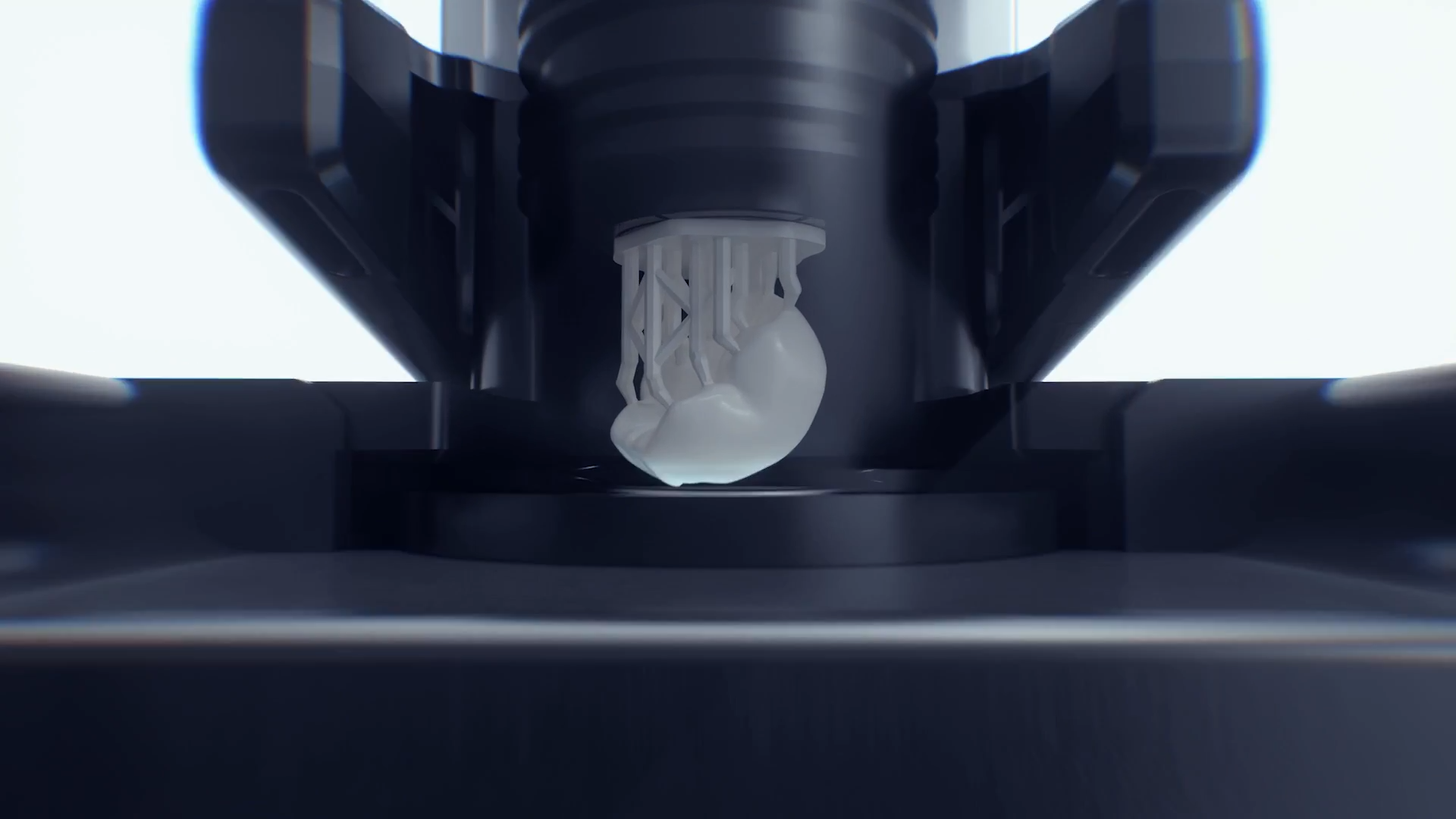
What Is a Capsule 3D Dental Printer?
A capsule 3D dental printer refers to a dental resin printing system designed with an enclosed and compact structure. The concept focuses on simplifying the printing process by combining printing components into a more integrated unit.
Traditional resin printers may require separate management of printing equipment, material handling, and workflow accessories. A capsule-style system aims to reduce complexity by providing a more organized printing environment.
In dental applications, these printers are commonly used for producing:
- Dental models
- Temporary restorations
- Orthodontic components
- Surgical guides
- Customized dental devices
The specific applications depend on the supported materials, software compatibility, and clinical requirements.
Why Capsule Design Matters in Dentistry?
Dental clinics and laboratories often face challenges related to limited workspace, workflow management, and equipment operation. A compact capsule 3D printer can help address these challenges by reducing the footprint required for digital manufacturing.
For smaller dental offices, space efficiency is particularly important. A compact printer design allows professionals to introduce digital production capabilities without requiring a large dedicated manufacturing area.
For dental laboratories, an integrated system can help simplify daily operations by making equipment management more straightforward.
How Does a Capsule 3D Dental Printer Work?
Step 1: Preparing the Digital Design File
The printing process begins with a digital dental design. Patient information collected through technologies such as intraoral scanning can be converted into a three-dimensional model using dental CAD software.
After the design is completed, the file is prepared for printing through specialized slicing software. This software divides the 3D model into multiple layers and creates printing instructions for the machine.
The accuracy of the final printed product depends on several factors, including digital design quality, printer performance, resin characteristics, and post-processing procedures.
Step 2: Layer-by-Layer Resin Printing
A dental resin 3D printer creates dental objects by curing liquid resin layer by layer using a light source. During printing, the machine selectively hardens specific areas of resin according to the digital design.
This additive manufacturing process allows the production of complex structures that may be difficult to create through traditional methods.
The printer continues building each layer until the complete dental component is formed. After printing, the object usually requires additional steps such as cleaning and post-curing to achieve the desired mechanical properties.
Step 3: Post-Processing and Final Application
After printing is complete, dental professionals remove the printed object from the build platform and complete necessary finishing procedures.
Typical post-processing steps include:
- Removing excess resin
- Washing the printed part
- Performing additional curing
- Inspecting surface quality and accuracy
These steps help ensure the final product meets the requirements of the intended dental application. A well-designed capsule 3D printer workflow can simplify these procedures by creating a more organized process from digital design to finished product.
What Are the Benefits of Using a Capsule 3D Printer?
- Saving Space in Dental Workflows
One major advantage of a capsule 3D dental printer is its compact design. Dental offices and laboratories with limited space can benefit from equipment that provides digital manufacturing capabilities without requiring extensive installation areas.
A smaller footprint allows professionals to create more flexible workspaces while maintaining access to advanced production technology.
- Simplifying Daily Operation
Dental 3D printing involves multiple steps, including material preparation, printing setup, and post-processing. A capsule-style system can help make these procedures easier to manage.
For users who are new to digital manufacturing, a simplified workflow can reduce the learning curve and improve operational efficiency.
- Supporting Customized Dental Production
One of the key strengths of a dental resin 3D printer is the ability to produce customized dental components based on individual patient requirements.
Unlike mass production methods, digital printing allows dental professionals to manufacture personalized designs efficiently. This flexibility is valuable for restorative, orthodontic, and implant-related applications.
- Applications of Capsule 3D Dental Printing
4.1 Restorative Dentistry
In restorative dentistry, resin printing can support the production of dental models, temporary restorations, and treatment planning components.
Digital workflows allow dentists and laboratories to move from patient data to physical models more efficiently. This improves communication and helps support customized treatment solutions.
4.2 Orthodontic Applications
Orthodontic workflows often require accurate models and customized devices. A capsule 3D printer can support the production of orthodontic components based on digital treatment plans.
By combining scanning, design software, and printing technology, dental professionals can create a more connected workflow.
4.3 Dental Laboratory Production
Dental laboratories handle multiple cases that require accuracy and efficiency. Resin printing technology allows technicians to produce different types of dental products from digital files.
A compact printing system can be especially useful for laboratories seeking to optimize workspace organization while maintaining production flexibility.
SHINING 3D Dental and Digital Manufacturing Solutions
SHINING 3D Dental develops digital solutions that support modern dental workflows, including scanning, design, and manufacturing technologies. The company’s Ceramix-Nano solution focuses on advanced dental material applications and digital production processes.
For professionals exploring a dental resin 3D printer workflow, material performance and digital integration are important considerations. A complete solution should support not only printing but also the broader process of designing and producing dental applications.
By combining digital manufacturing technology with dental material innovation, SHINING 3D Dental helps professionals explore more efficient approaches to modern restorative workflows.
How to Choose the Right Capsule 3D Printer for Dental Use?
Before investing in a capsule 3D dental printer, dental professionals should evaluate several factors:
- Supported dental materials
- Printing accuracy and consistency
- Software compatibility
- Workflow requirements
- Space availability
- Maintenance and operation needs
Different clinics and laboratories may have different priorities. A small dental office may focus on compact design and ease of use, while a laboratory may prioritize production capacity and material flexibility. Choosing equipment based on actual workflow needs helps ensure that digital printing technology delivers long-term value.
Conclusion
A capsule 3D dental printer is a compact resin printing solution designed to simplify digital dental manufacturing workflows. By using light-curing technology to build objects layer by layer, it enables dental professionals to create customized models, restorations, and other dental components efficiently.
For clinics and laboratories considering a dental resin 3D printer, understanding printing technology, workflow requirements, and application needs is essential. With solutions such as SHINING 3D DENTAL‘s Ceramix-Nano, digital manufacturing continues to provide new opportunities for improving efficiency and innovation in modern dentistry.
