Most discussions about uric acid focus on levels that are too high, but uric acid can also fall below the normal range. Low uric acid, sometimes called hypouricemia, is less common and often causes no noticeable symptoms. In some cases, however, unusually low levels may be linked to certain kidney conditions, nutritional factors, medications, or rare genetic disorders. Because uric acid plays a role in the body’s metabolic processes, consistently low readings should not be ignored.
Looking Beyond a Single Test Result
A low uric acid reading does not always indicate a health problem. Temporary changes in diet, hydration status, or medication use can affect test results. This is why healthcare professionals often look at trends rather than relying on a single measurement. Using a uric acid monitor at home can help individuals keep track of changes over time and determine whether low readings are recurring or simply temporary fluctuations.
Monitoring Trends Can Provide Useful Insights
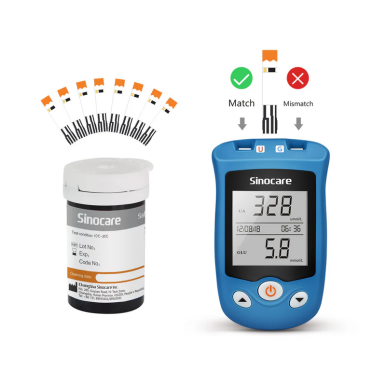
Regular testing makes it easier to identify patterns that may otherwise go unnoticed. The Sinocare Safe AQ UG is designed to measure both uric acid and blood glucose levels in a single device using separate test strips. For uric acid testing, it requires a 3 μL blood sample and delivers results in approximately 25 seconds. By storing previous readings, the device allows users to compare results over time, making it a practical tool for those who want a clearer picture of their metabolic health rather than relying on occasional tests alone.
When Further Evaluation May Be Needed
If low uric acid levels persist, consulting a healthcare professional is recommended to identify any underlying causes. Additional laboratory tests may be needed to assess kidney function, nutritional status, or other health factors. A uric acid test kit can support ongoing monitoring between medical visits, helping users gather more information about their condition. With reliable testing tools from Sinocare, individuals can stay informed about their uric acid levels and have more meaningful discussions with their healthcare providers when concerns arise.
