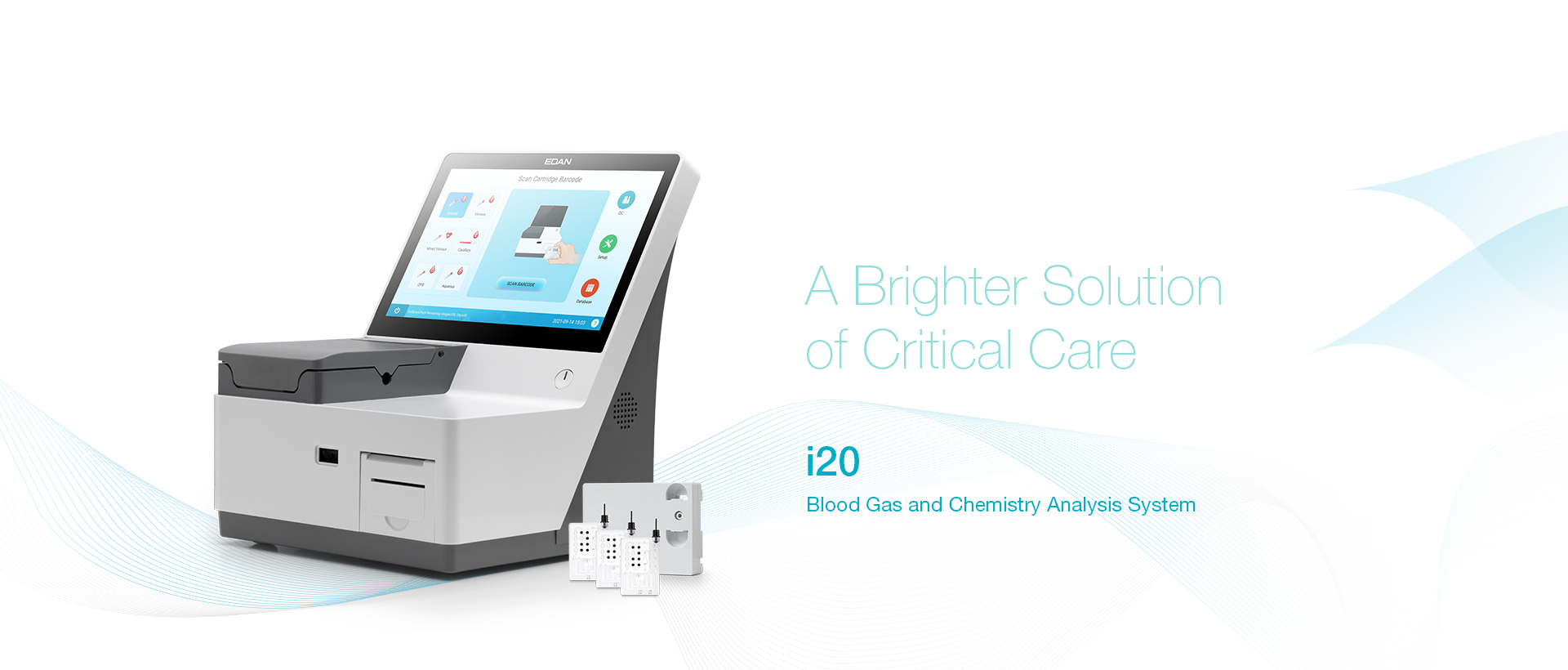
In the healthcare sector, the operation of a blood gas analyser is a critical component for accurate diagnostics. The blood gas machine, particularly models like the EDAN i20, provides precise measurements essential for patient care. However, the efficacy of these machines hinges not only on their technology but also on the competency of the operators. This makes training certification imperative.
Understanding Blood Gas Analysis
Blood gas analysis is vital for assessing a patient’s respiratory and metabolic status. Disturbances in pH, carbon dioxide, or oxygen levels can indicate severe health issues. Thus, proficiency in using a blood gas analyser ensures correct interpretation of these parameters, leading to better patient outcomes.
The Necessity of Proper Training
Operating a blood gas machine requires expertise that goes beyond simple button pressing. The complex interplay of machine settings, sample handling, and result interpretation demands thorough training. Inadequate knowledge can lead to misinterpretations, potentially jeopardizing patient safety.
For instance, improper calibration or sample preparation can significantly affect the accuracy of results. Certified training programs equip professionals with the necessary skills to handle equipment like the EDAN i20, ensuring every aspect of the operation is conducted with care.
Compliance and Standards
In many regions, healthcare facilities are mandated to comply with standards set forth by regulatory bodies. These standards often stipulate that operators of blood gas machines undergo formal training and certification. Adhering to these guidelines not only fulfills legal requirements but also fosters a culture of safety and accountability in healthcare settings.
Conclusion
In conclusion, the importance of training certification for operators of blood gas analysers such as the EDAN i20 cannot be overstated. It plays a crucial role in ensuring accurate diagnostics, improving patient care, and maintaining compliance with health regulations. As technology continues to evolve, so must the skillset of those who operate these essential machines. Investing in proper training not only benefits the operators but, most importantly, the patients they serve.
